

These days, finding new and effective ways to teach, especially for students with special educational needs (SEN), is very important. According to recent research, about 15-20% of students in Italian schools have special educational needs. To address these needs, schools use Personalized Learning Plans (PLPs). These programs help each student learn based on their needs and abilities, without putting extra pressure on them.
Why is game-based learning engaging?
Game-based learning is one of the most attractive and effective methods that has received more attention today. These methods use digital games to help with both learning and entertainment. Educational games not only make learning more attractive for children, but also help them strengthen various skills.
Benefits of game-based learning
1 Increased motivation and enthusiasm: Games are always engaging! When learning is combined with play, children are more motivated to study and solve problems.
2 Enhanced cognitive skills: Educational games require thinking. While playing, children strengthen their critical thinking, problem-solving, and decision-making skills.
3 Teaching complex concepts in a simple way: Games can teach complex concepts to children in a simple and understandable way. Through play, math, science, language, and other subjects become easier and more fun for children.
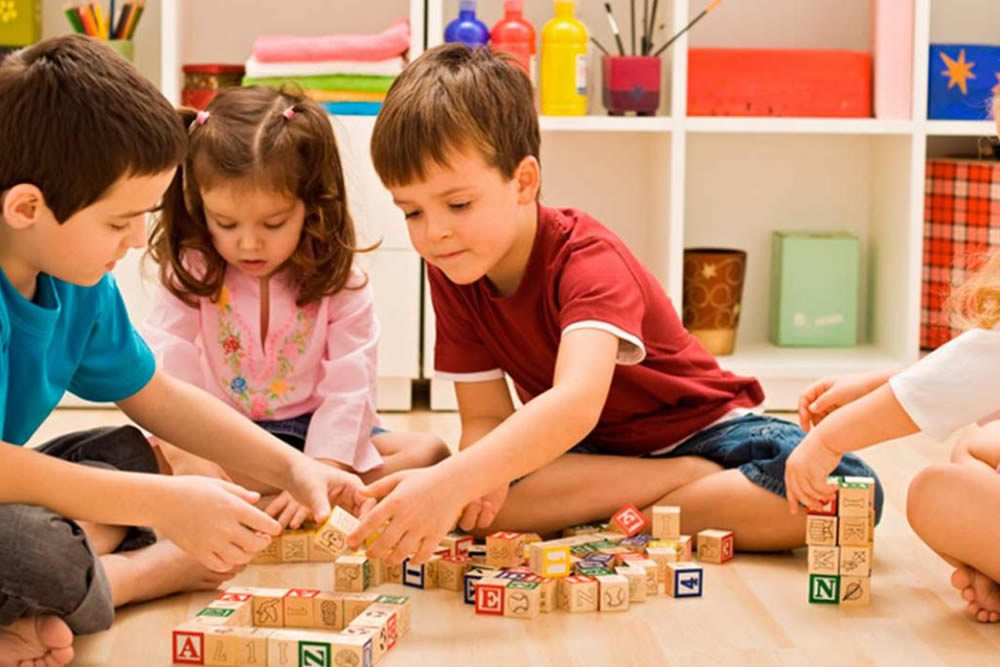
4 Social interaction: Educational games provide an opportunity for social interaction. While playing with their friends, children collaborate and learn social skills such as communication and respect for the opinions of others.
2 Enhanced cognitive skills: Educational games require thinking. While playing, children strengthen their critical thinking, problem-solving, and decision-making skills.
3 Teaching complex concepts in a simple way: Games can teach complex concepts to children in a simple and understandable way. Through play, math, science, language, and other subjects become easier and more fun for children.
4 Social interaction: Educational games provide an opportunity for social interaction. While playing with their friends, children collaborate and learn social skills such as communication and respect for the opinions of others.
Challenges and Solutions
Of course, implementing game-based learning methods also has its challenges. One of these challenges is designing games that are both educational and engaging.
Also, teachers and parents need training to be able to use these methods effectively.
Appropriate tools and resources must also be available to get the best results. Game-based learning methods can improve children’s learning experience. These methods not only help children learn complex concepts, but also strengthen their cognitive and social skills. To fully exploit these methods, there is a need for support and cooperation from teachers, parents and educational game designers so that they can make the best use of these tools and help develop children’s learning.
Also, teachers and parents need training to be able to use these methods effectively.
Appropriate tools and resources must also be available to get the best results. Game-based learning methods can improve children’s learning experience. These methods not only help children learn complex concepts, but also strengthen their cognitive and social skills. To fully exploit these methods, there is a need for support and cooperation from teachers, parents and educational game designers so that they can make the best use of these tools and help develop children’s learning.





No comment